

Vertical Lathe
-
![Single Column Vertical Lathe]() Single Column Vertical LatheModel C5112/C5116/C5120/C5123/C5126 single column vertical lathe is suitable for high-speed steel cutter, carbide cutter and all kinds of high performance cutter, which can make rough and finish...read more
Single Column Vertical LatheModel C5112/C5116/C5120/C5123/C5126 single column vertical lathe is suitable for high-speed steel cutter, carbide cutter and all kinds of high performance cutter, which can make rough and finish...read more -
![Double-Column Manual Vertical Lathe]() Double-Column Manual Vertical LatheModel C5225/ C5232/ C5235/ C5240/ C5250/ C5263 double column vertical lathe is suitable for rough and fine machining of ferrous, non-ferrous metals and some non-metal parts with high-speed steel...read more
Double-Column Manual Vertical LatheModel C5225/ C5232/ C5235/ C5240/ C5250/ C5263 double column vertical lathe is suitable for rough and fine machining of ferrous, non-ferrous metals and some non-metal parts with high-speed steel...read more -
![CK5120 ProMax Heavy-Duty Vertical Lathe]() CK5120 ProMax Heavy-Duty Vertical LatheThe C51 Series Single Column Vertical Lathe redefines large-part machining with uncompromising rigidity and precision. Designed for high-speed steel, carbide, and high-performance cutters, it...read more
CK5120 ProMax Heavy-Duty Vertical LatheThe C51 Series Single Column Vertical Lathe redefines large-part machining with uncompromising rigidity and precision. Designed for high-speed steel, carbide, and high-performance cutters, it...read more -
![Vertical Lathe Machine]() Vertical Lathe MachineModel C5112/C5116/C5120/C5123/C5126 single column vertical lathe is a program-controlled single-column vertical lathe. Controlled by domestic servo system. Tool post movement is with two...read more
Vertical Lathe MachineModel C5112/C5116/C5120/C5123/C5126 single column vertical lathe is a program-controlled single-column vertical lathe. Controlled by domestic servo system. Tool post movement is with two...read more -
![Manual Vertical Lathe]() Manual Vertical LatheModel C5112/C5116/C5120,C5123/C5126 single column vertical lathe is composed of column, main gearbox, worktable, beam lifting mechanism, vertical tool post, electrical system, hydraulic system,...read more
Manual Vertical LatheModel C5112/C5116/C5120,C5123/C5126 single column vertical lathe is composed of column, main gearbox, worktable, beam lifting mechanism, vertical tool post, electrical system, hydraulic system,...read more -
![Single Column Vertical Turning Lathe]() Single Column Vertical Turning LatheModel C5112/C5116/C5120, C5123/C5126 single column vertical turning lathe is suitable for high-speed steel cutter, carbide cutter and all kinds of high performance cutter, which can make rough and...read more
Single Column Vertical Turning LatheModel C5112/C5116/C5120, C5123/C5126 single column vertical turning lathe is suitable for high-speed steel cutter, carbide cutter and all kinds of high performance cutter, which can make rough and...read more -
![VTL Manual Vertical Lathe Machine]() VTL Manual Vertical Lathe MachineModel C5112/C5116/C5120, C5123/C5126 series of single column vertical lathe, which fine grounded gears in the gearbox to ensure high precision, low noise and long life. Versatile accessories and...read more
VTL Manual Vertical Lathe MachineModel C5112/C5116/C5120, C5123/C5126 series of single column vertical lathe, which fine grounded gears in the gearbox to ensure high precision, low noise and long life. Versatile accessories and...read more -
![Manual Vertical Turret Lathe Machine]() Manual Vertical Turret Lathe MachineModel C5112/C5116/C5120, C5123/C5126 manual vertical turret lathe machine is suitable for machining ferrous metal, non-ferrous metal and some non-metallic materials with high-speed steel tools,...read more
Manual Vertical Turret Lathe MachineModel C5112/C5116/C5120, C5123/C5126 manual vertical turret lathe machine is suitable for machining ferrous metal, non-ferrous metal and some non-metallic materials with high-speed steel tools,...read more -
![Vertical Turning Lathe]() Vertical Turning LatheModel C5112/C5116/C5120, C5123/C5126 vertical turning lathe is suitable for machining ferrous metal, non-ferrous metal and some non-metallic materials with high-speed steel tools, cemented carbide...read more
Vertical Turning LatheModel C5112/C5116/C5120, C5123/C5126 vertical turning lathe is suitable for machining ferrous metal, non-ferrous metal and some non-metallic materials with high-speed steel tools, cemented carbide...read more -
![Vertical Machine]() Vertical MachineModel C5112/C5116/C5120,C5123/C5126 single column vertical machine is suitable for high-speed steel cutter, carbide cutter and all kinds of high performance cutter, which can make rough and finish...read more
Vertical MachineModel C5112/C5116/C5120,C5123/C5126 single column vertical machine is suitable for high-speed steel cutter, carbide cutter and all kinds of high performance cutter, which can make rough and finish...read more -
![Lathe Machine Vertical]() Lathe Machine VerticalModel C5112/C5116/C5120, C5123/C5126 single column vertical lathe is composed of column, main gearbox, worktable, beam lifting mechanism, vertical tool post, electrical system, hydraulic system,...read more
Lathe Machine VerticalModel C5112/C5116/C5120, C5123/C5126 single column vertical lathe is composed of column, main gearbox, worktable, beam lifting mechanism, vertical tool post, electrical system, hydraulic system,...read more -
![High Quality Double Column Vertical Lathe]() High Quality Double Column Vertical LatheModel C5225/ C5232/ C5235/ C5240/ C5250/ C5263 double column vertical lathe is composed of vertical column, main gearbox, worktable, beam lifting mechanism, left and right vertical tool posts,...read more
High Quality Double Column Vertical LatheModel C5225/ C5232/ C5235/ C5240/ C5250/ C5263 double column vertical lathe is composed of vertical column, main gearbox, worktable, beam lifting mechanism, left and right vertical tool posts,...read more


Our Factory
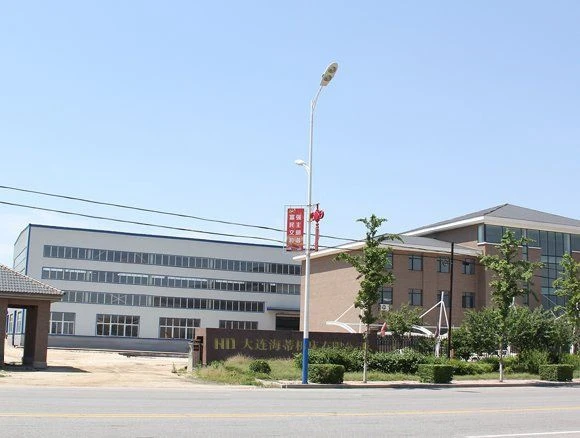
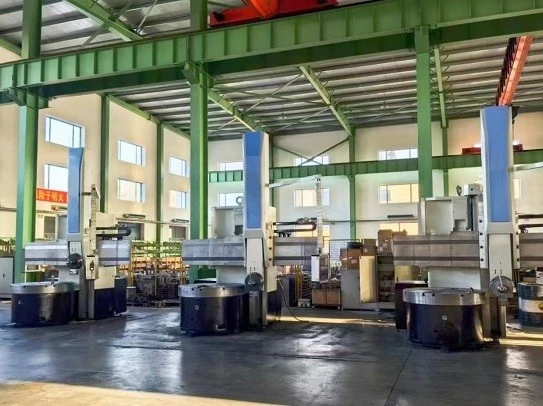
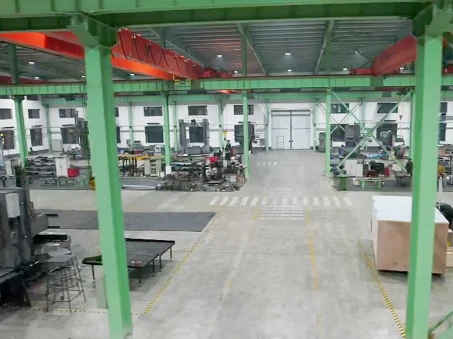
Dalian Haidi Machinery Co.,Ltd is a professional manufacturer that specializes in the development, research and production of single-column vertical lathe, double-column vertical lathe, horizontal lathe, boring-milling machine, machining center, gear hobbing machine. The researched products by our company have such advantages as a great variety, complete specification, advanced technology and outstanding quality. Haidi Machinery covers building area of 30,000 square meters. Now we have more than 200 staff members, including 11 senior engineers, 8 senior managerial staff, over 160 technical workers. Our factory has strong strength and excellent processing equipment. The machine tools produced by our factory are sold all over the country and the world. The advanced design, reliable trustworthy, simple operation, flexible use, high precision, high cost performance and perfect after-sales service have won the unanimous praise of users. Our company is the largest enterprise that specializes in the casting of machine tool in southern Liaoning.In the meantime, it has offered great support to speed up our company's product research and production and made great contribution to providing products to customers in the shortest duration.


What Is Vertical Lathe
Vertical lathes are one of the most traditional machine types. With different technologies, vertical lathes are also becoming more and more multifunctional. Vertical lathes are machines that orient the spindle in the vertical plane in a fixed position. The workpiece then spins, moving up and down to put it in line with the cutting head. These machines are less complex than horizontal lathes. This machining option is best for pieces that focus on shaping a single side of a part. They excel at taking heavy cuts on medium and large parts.
Advantages of Vertical Lathe
Increased stability and rigidity
The vertical lathe provides exceptional stability and rigidity during machining processes. This design minimizes vibrations and eliminates the need for additional support structures, ensuring high-quality surface finishes and precise tolerances.
Versatility in machining
One of the remarkable features of vertical lathe is their versatility in machining various workpieces. Whether you’ re working on cylindrical components, disks, rings, or complex shapes, vertical turning lathes can handle them all.
Enhanced productivity and efficiency
Vertical lathe is designed to optimise productivity and efficiency in machining processes. These machines reduce manual intervention, streamline operations and minimise setup times, and are equipped with advanced automation features, such as automatic tool changers and programmable controls.
Why Choose Us
Experienced team
Our staff comprises seasoned professionals with extensive experience in technology development, offering deep expertise in a wide array of tech domains.
Quality assurance
We adhere to stringent quality control processes to deliver reliable and high-performance products that exceed industry standards.
Customization
Our team of experts provides tailored services to address specific challenges, ensuring each solution is unique and perfectly suited to the client's requirements.
After-sales service
Dedicated to strict quality control and thoughtful customer service, our experienced staff members are always available to discuss your requirements and ensure full customer satisfaction.
Leading factory
20+years' production experience as the leading manufacturer for vertical lathe,horizontal lathe, machining center,boring machine,milling Machine, drilling machine, slotting machine, gear hobbing machine, etc.
Exportation to 60+ countries
Our products have exported to Australia, Chile, Peru, Turkey, Russia, Indonesia, Saudi Arabia,USA, Belarus, Argentina Singapore and others, around 60 countries.
Vertical Lathe Machine Configuration
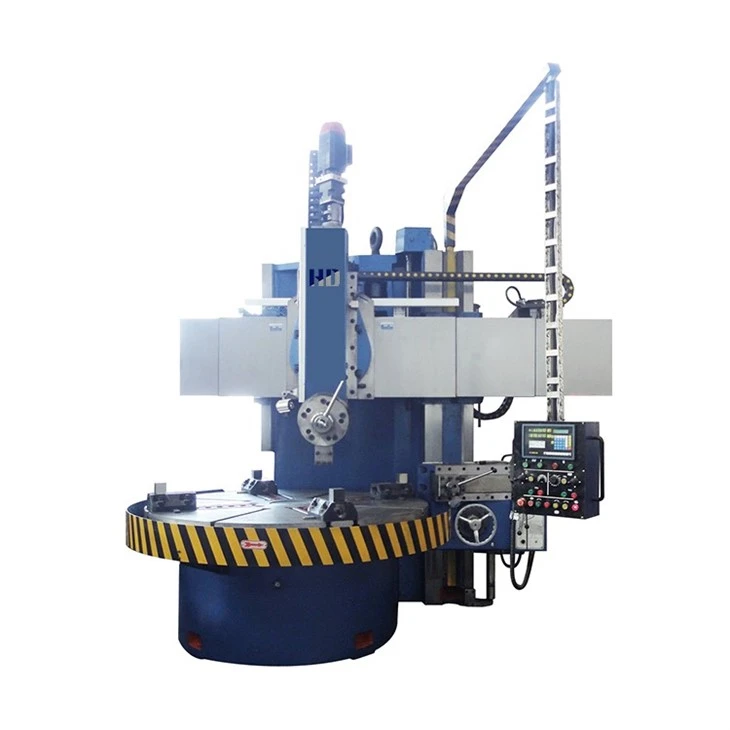
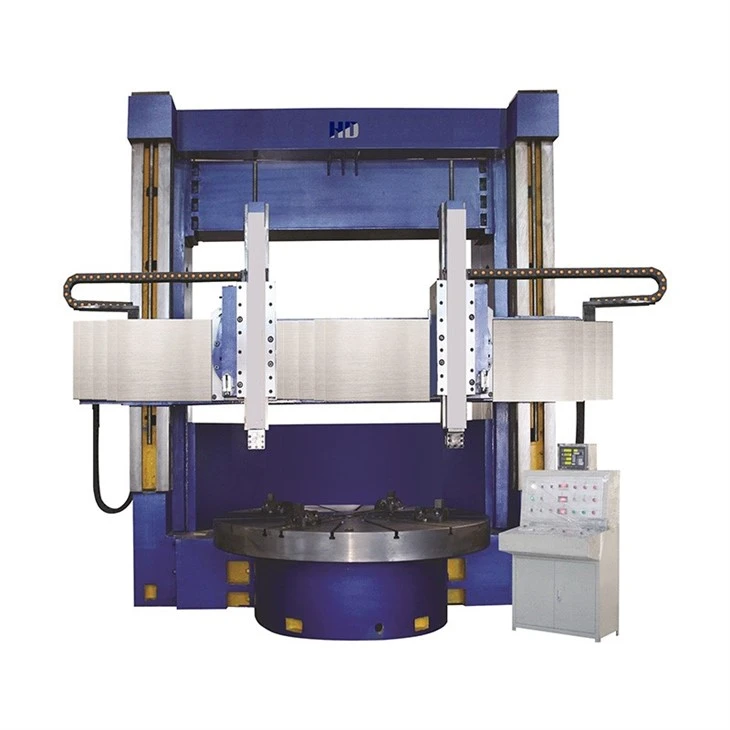
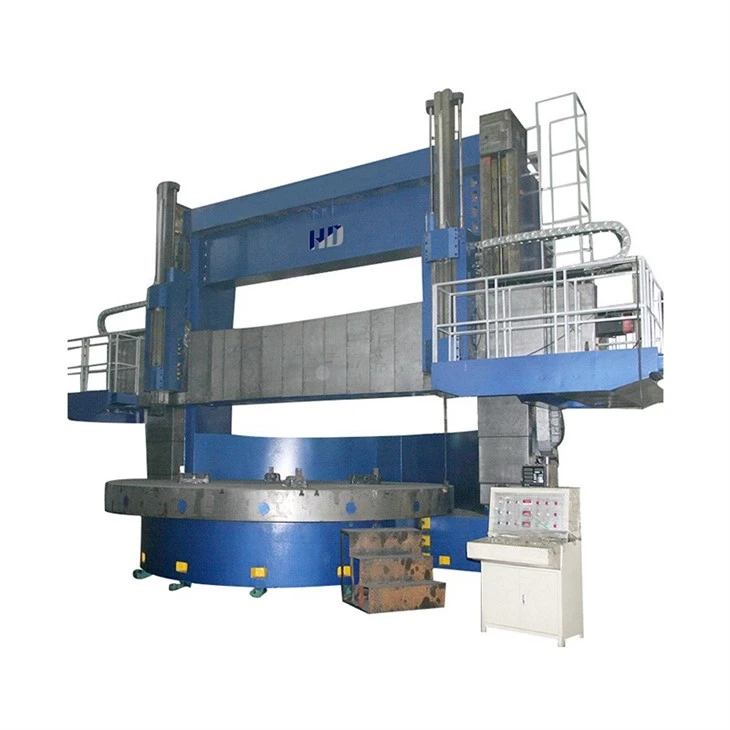
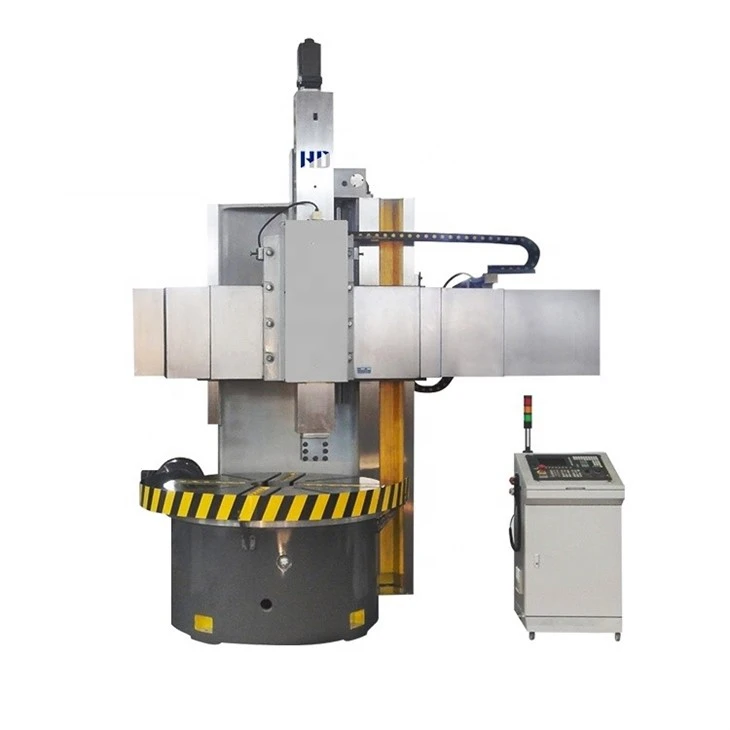
Vertical lathes can machine components in diameter range from 1 meter to over 20 meters (39.37–787.40 inch). A gantry design with a base of the construction. Vertical lathes deliver very high metal cutting efficiency. However, the machine utilization can be a disadvantage due to tool change time and component loading, fixturing and unloading.
The need for large machines to machine concentric components has been revived over the last decade with the increase in energy and transportation demands. Gas, steam and wind turbines as well as aero engines all require large components with turning operations to be carried out. Railway wheel production has also seen a dramatic rise in quantities for freight as well as new inner city and high speed passenger lines. Development of new generation multifunctional machines is driven by several technologies.
Pre-measuring outside the machine to reduce set-up time, tool change time and measuringQuick change: Machines equipped with turning blocks can be equipped with manual quick change units. Providing change of tool holder in less than a minute with high accuracy and coolant internally directed. Thereby reducing the tool set-up and pre-measuring time compared to shank tools. From tool blocks with shank tool holders to hydro mechanical clamping units. Tools are automatically changed ensuring minimum downtime and allowing unmanned production.To increase metal cutting efficiency, two turning operations can be run simultaneously.
With the use of different attachments, held by four corner clamping or curvic couplings, a main spindle on the front centre of the RAM can provide drive to a 90 head. This enables a 4-axis machining centre, preventing the move of large components from a lathe to a machining centre which is both time and labour intensive. The need for space for more tools, due to more operations being carried out and more complex parts, is provided by chain magazines similar to large machining centres or multi-task machines rather than the traditional disc storage.
How to Reach the Smaller Diameters a Vertical Lathe Can Access
Piping the coolant through the means there are no moving parts to provide sealing headaches (like rotating spindles and turrets). For extreme applications, a pressure up to 500 bar (7252 psi) is used in production on vertical lathes, however 70 bar (1015 psi) is the norm. A key to the versatility of a modern vertical lathes is its ability to accept many types of tool holder configurations on the end. The attachments are changed automatically and stored in a separate rack.
Automatic tool change ensures best machine utilization. It is the natural choice for turning operations and is also available for the rotating spindles with the same coupling size. This provides complete flexibility for tool storage. Depending on the component any combination of turning, milling, drilling and boring tools can be used with the same tool changer and magazine.Vertical lathe are used for turning clamping units for manual quick change or hydro-mechanical automatic clamping.
The orientation is flexible for axial or radial configurations and is often used for boring bars for internal diameters smaller than the access. Vertical lathe are used when there are rotating spindles. With the same interface used for turning and rotating, there is complete flexibility for the mix of tools to be used.
Vertical Lathes Are Ideal for a Variety of Castings
There are many applications where what seems like old-fashioned technology is the best means to make parts. The traditionally designed vertical lathe is an example of this class of technology. While its basic form has been around awhile, the vertical lathe hasn't stopped evolving. New versions of these machine tools incorporate many of the productive technological innovations found in horizontal turning centers.
Foundries with machining capabilities, or even those that outsource their machining, can benefit from vertical turning technology. Essentially, a vertical turning center configuration takes a traditional lathe and stands it on end. This design provides a number of important production and cost benefits, and is particularly well suited to cutting a variety of castings: brake discs, pump housings, aircraft parts, heavy-equipment parts, energy field parts, and more.
A Vertical lathe is a standalone lathe that has both a top and bottom. The main benefit to this design is the ability to use the top for making straight or curved grain, while the bottom can be used for crosscutting. There are primarily two kinds of vertical lathe machines, namely, the single-side and double-side vertical lathes. The former is designed to produce short grain; whereas, the latter is meant for crosscutting purposes. Because the top of the Vertical lathe can also be used as a turning tool, it is termed a turning machine. A Vertical lathe consists of two spinning bars, which are attached by a spindle assembly.
Vertical Lathes Can Handle Most Common Problems
Vertical lathe are large, ram-type machines, also called vertical boring mills. These lathes are not high-production machines, but they are ideal for heavy-duty and high-power cutting of medium and large parts. Vertical lathe that use the main spindle to load and unload themselves are finding increasing acceptance as multitasking capabilities make them efficient processing centers for producing chucked parts.
Vertical lathe give foundries with machine shops as well as those that outsource machining the ability to cut bigger and heavier castings. Aside from turret head or ram head, vertical lathes machine design uses a rotating table to support the workpiece and use a bridge-type construction that carries the X-axis. A ram traverses the X-axis guides and delivers the cutter. In terms of productivity, vertical centers typically improve cycle times because shops can be more aggressive with their cuts.
Most vertical lathe are designed to be mounted on a stand or workbench; however, some may be handheld. This design allows for easy mobility, even when coupled with the use of a table or similar device. Most Vertical lathe have a variety of capabilities. The main advantage they have over a conventional milling machine is their ability to perform intricate milling operations such as crosscutting, rocking, perching, and siding.
Vertical Lathe And Horizontal Lathe Difference
The main difference between vertical lathe and horizontal lathe lies in their design structure, machining range, and the type of workpiece. The following are the main differences between them:
1.Spindle position: The spindle of vertical lathe is vertical, while the spindle of horizontal lathe is flat.
2.Processing scope: Vertical lathe is suitable for processing large and heavy workpieces with large diameters and short lengths, especially those that are not easy to clamp on horizontal lathes. It has large load-bearing capacity, good rigidity, and is suitable for processing large-sized, large-diameter, and short length workpieces, such as discs, wheel hubs, gear blanks, etc. Horizontal lathe is more suitable for processing small and medium-sized wheel discs and shaft parts, making it easier to observe and operate.
3.Structural features: The worktable of vertical lathe is located in horizontal plane, making it easy to install and adjust workpieces, while the horizontal lathe adopts an integral casting structure, which has high rigidity and good seismic resistance.
Overall, vertical lathe and horizontal lathe each have their own advantage and applicability, and the choice of which lathe depends on specific processing requirements and workpiece type.
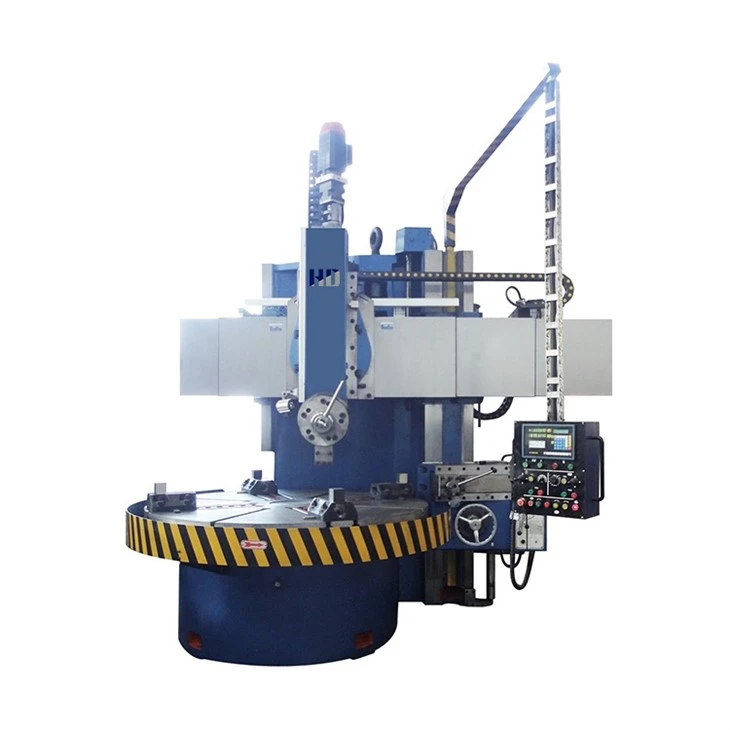
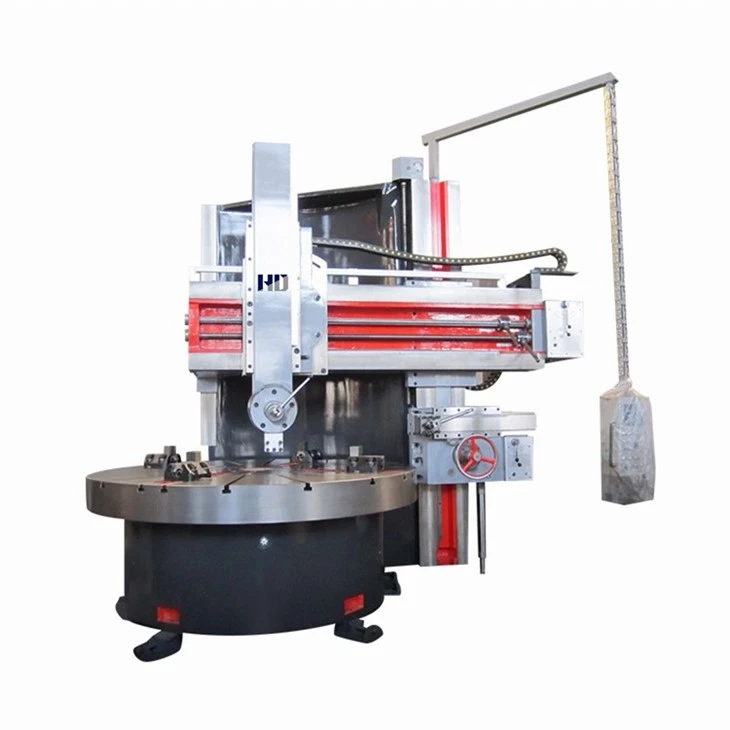
Vertical Lathe Starts Quickly
Vertical lathes make the work results better and cutting materials will be much easier. They are made of cast metal or metal blocks. Because there is no second grip, the vertical lathe is particularly effective and brings the benefits of quick loading and unloading. These machines are used to process high-precision workpieces. The vertical lathe will properly complete the processing tasks you want, and allow you to easily produce customized workpieces based on the vertical machining process. This machine used in a wide range of products is called a vertical lathe.
Vertical lathes are used for machining cylindrical, conical, and contoured surfaces and to trim face ends. Vertical lathes with turrets can also drill, counterboring, and reaming. Equipped with special accessories, the lathe can do engraving, slotting, milling, and polishing. Multiple cutting tools can be used at the same time on a vertical lathe, each cutting tool is fixed on a separate support, and the efficiency can be significantly improved. Vertical lathes can process workpieces with diameters ranging from 1 meter to 20 meters (equivalent to 39.37 to 787.40 inches). Vertical lathes have high metal cutting efficiency. However, due to tool change time and component loading, fixing, and unloading time, the utilization rate of vertical lathes may be disadvantageous.
Applications of Vertical Lathes
Vertical lathe find widespread use in various industries where precision and reliability are paramount. Let’ s explore some key applications where vertical lathe play a vital role. In the aerospace and aviation industry, where safety and precision are of utmost importance, vertical lathe are indispensable. These machines manufacture critical components like turbine disks, jet engine shafts, landing gear components, and more.
The automotive industry demands high-volume production, tight tolerances, and consistent quality. vertical lathe are extensively employed in manufacturing engine components, such as crankshafts, camshafts, and connecting rods. In the oil and gas industry, vertical lathe are crucial in producing components used in drilling and exploration equipment. These machines manufacture large valves, flanges, and pipe fittings. Embracing the power of vertical lathe opens up a world of possibilities in machining. The stability, versatility, and efficiency offered by vertical lathe make them a go-to choice for a wide range of industries. From aerospace and automotive manufacturing to the oil and gas sector, vertical lathe excel in producing high-quality components that meet stringent requirements.
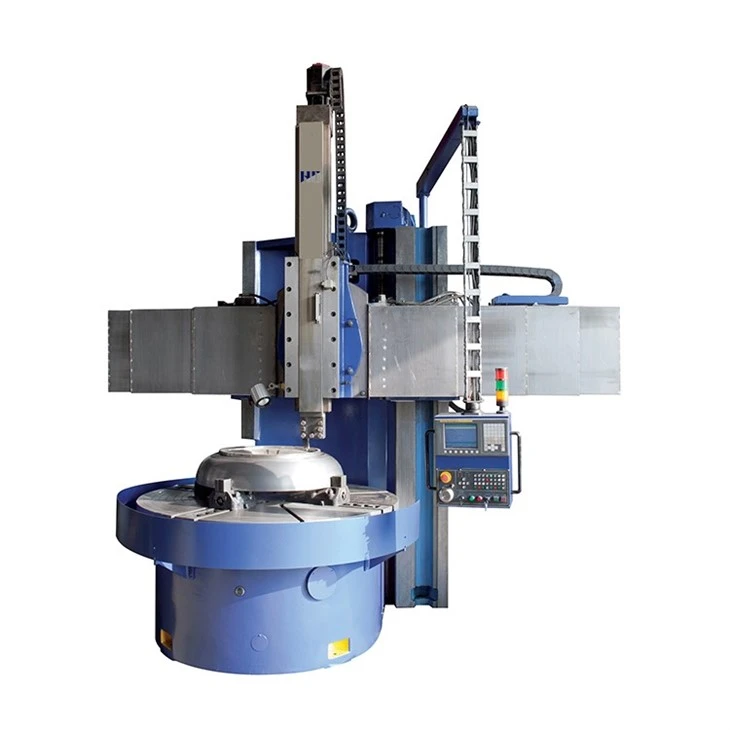
Certificate


FAQ
As one of the leading vertical lathe manufacturers and suppliers in China, we warmly welcome you to buy cheap vertical lathe made in China here from our factory. All our products are with high quality and low price.
alloy vertical lathe, hydraulic milling machine, electric drilling machine